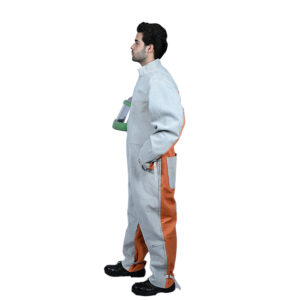
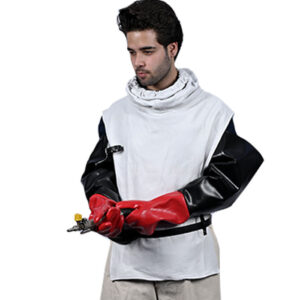
Abrasive blasting can be used to remove – or clean – excess or unwanted materials from a surface. The advantage of the procedure is that it keeps the surface intact, while everything else is removed. Employers must protect workers from hazardous dust levels and toxic metals that may be generated from both the blasting material and the underlying substrate and coatings being blasted. Each abrasive blasting operation is unique, involving different surfaces, coatings, blast material, and working conditions.
Before beginning work, employers should identify the hazards and assign a knowledgeable person trained to recognize hazards and with the authority to quickly take corrective action to eliminate them. Use engineering and administrative controls, personal protective equipment (PPE), including respiratory protection, and training to protect workers involved in abrasive blasting activities. Engineering controls, such as substitution, isolation, containment, and ventilation are the primary means of preventing or reducing exposures to airborne hazards during abrasive blasting operations.